
Au Revoir Brigitte Bardot

Updated: Feb 27
I was in Tignes, on our annual ski trip in the French Alps, standing still on a stretch of compacted snow, when I read that Brigitte Bardot had died.
There I was, not on a terrace. Not with a coffee in my hand. But zipped into a ski jacket, cheeks burning, legs slightly trembling from a morning that had involved more confidence than technique.

My first instinct was to look her up. Not her films. Not Saint-Tropez. Snow.
There she was: black-and-white photographs of Bardot skiing in the Alps in the 50s and 60s. Megève, Courchevel, Val d’Isère. Long legs, narrow trousers, oversized sweaters. No helmet. No effort. She looks as if she’s gliding through winter the way she moved through life — lightly, instinctively, as if the world simply adjusted itself around her.
Not Saint-Tropez. Not beaches or bikinis or the mythology we’ve replayed for decades. I thought of her in winter.

Perhaps because the Alps have long been part of French cultural imagination, even if Bardot herself is rarely associated with them. Part of a generation that discovered the mountains as leisure rather than survival. In those images, she looks almost anonymous — wrapped in knits, absorbed in movement, temporarily freed from the gaze that followed her everywhere else.
There’s something revealing about that.
Bardot spent much of her life resisting the image that made her famous. She walked away from cinema early, at the height of her success, rejecting the role the world insisted she play.

What Brigitte Bardot leaves behind is not just an image, but a shift. She altered how women could be seen — and how they could disappear. She proved that fame was not an obligation, that desire did not have to be explained, and that walking away could be as radical as arriving. Beyond cinema, her fierce commitment to animal rights reshaped public consciousness in France and beyond, giving her life a second, deeply consequential chapter. Bardot will remain frozen in photographs, endlessly young, endlessly watched — but her true legacy is more unsettling and more modern than that: the permission to refuse, to evolve, and to choose conviction over applause.
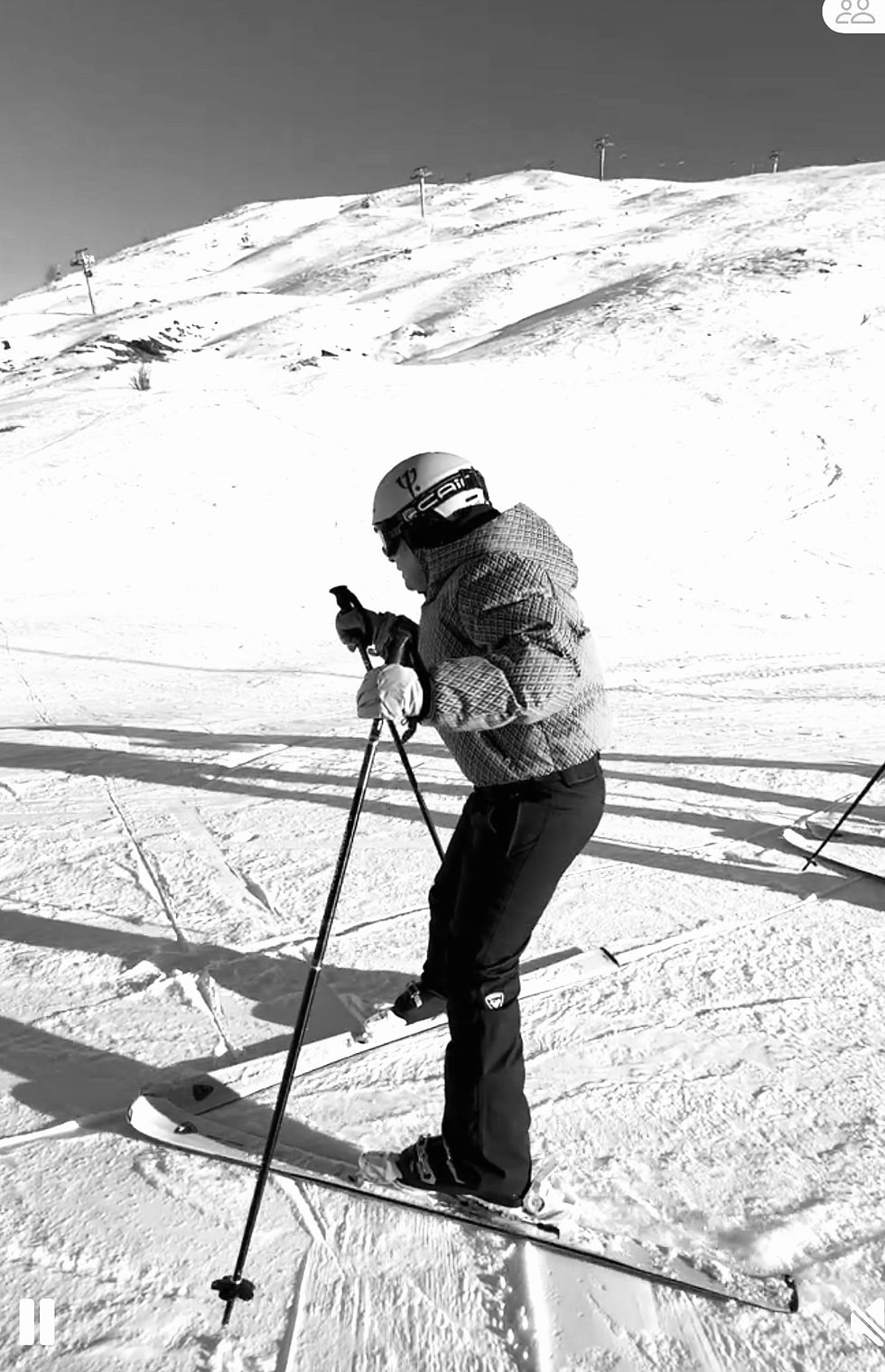
I don't come even close to her fabulousness...but I couldn't help sneak in some personal photos (how dare I even compare!?)




Like my post? Why not buy me a coffee?


Comments